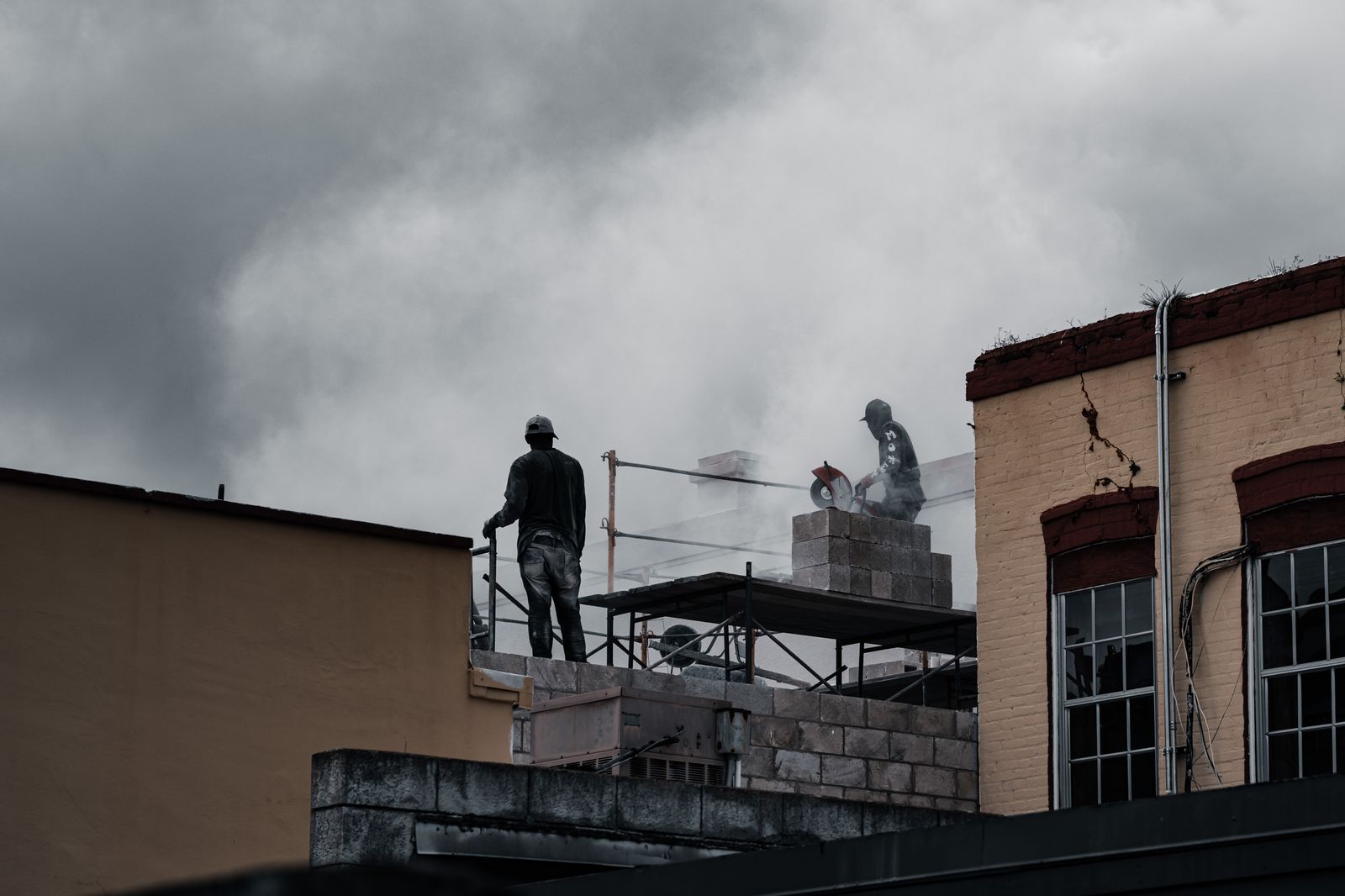
100% tie-off above six feet
Every roofer wears a full-body harness with a shock-absorbing lanyard. Anchor points, horizontal lifelines and warning lines are laid out before the first bundle lands.
Commercial service agreements24/7 leak response
Roofing is one of the most hazardous trades in the country. Our program exists so that the crew goes home and the incident never lands on your property.
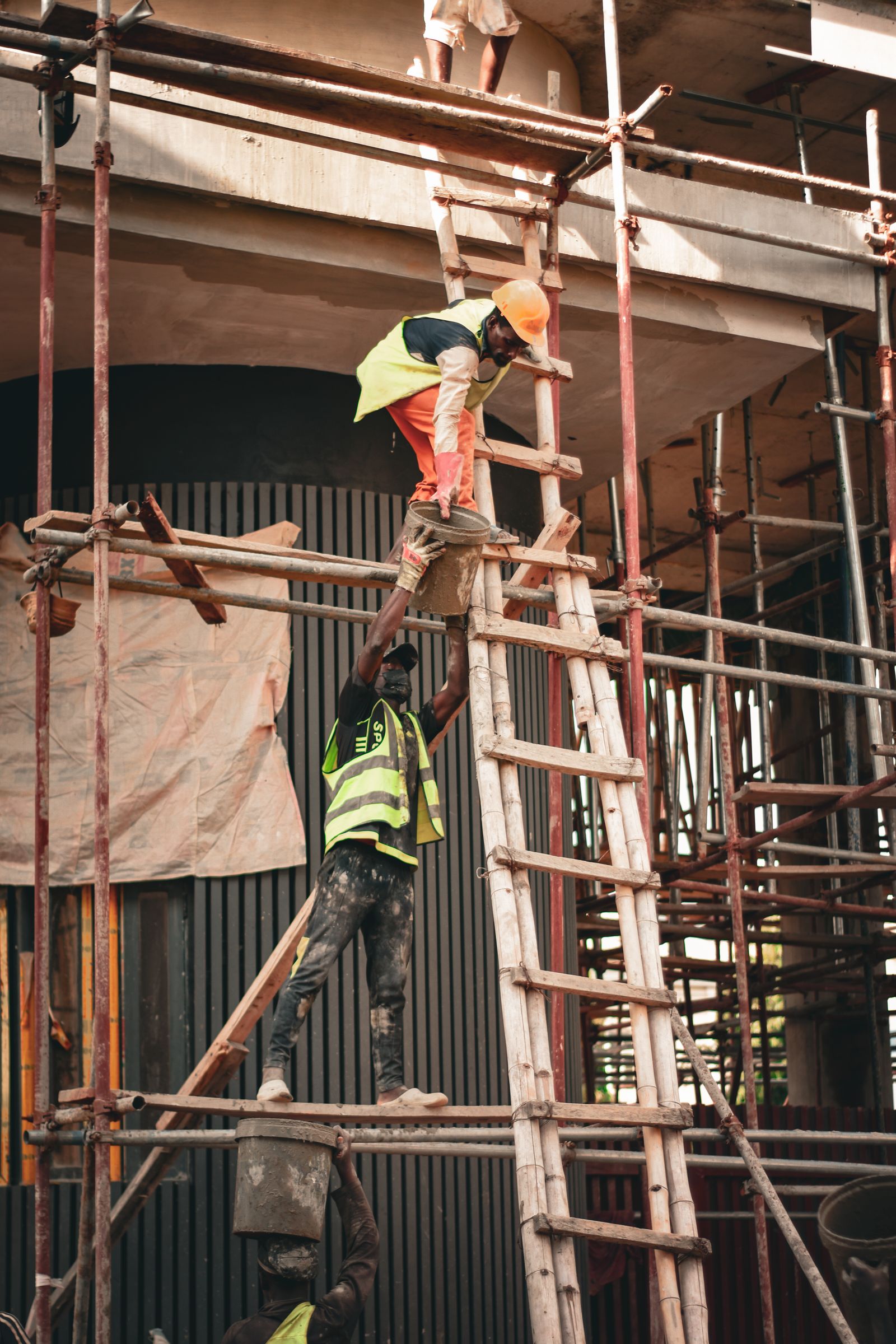
Safety figures on this demo site are sample data for a fictional company.
Six things a facility manager can verify by walking out on the roof unannounced, which we encourage.
Every roofer wears a full-body harness with a shock-absorbing lanyard. Anchor points, horizontal lifelines and warning lines are laid out before the first bundle lands.
Warning lines at six feet, guardrails at leading edges, and covers or rails on every skylight and hatch on the work area.
Nobody joins a crew without the card. Foremen and superintendents carry OSHA 30 plus competent person training for fall protection.
Shaded rest areas, electrolyte supply on every truck, a buddy system and adjusted start times during Houston heat advisories.
Each morning the foreman runs a job hazard analysis for that day's tasks, signed by everyone on the roof. Weekly topics rotate through a 52-week schedule.
A safety coordinator photographs anchor use, housekeeping, kettle and torch practice, and ladder placement. Findings get corrected before the crew leaves.
Hospitals, schools and plants each have their own rules. We adopt yours and write them into the daily hazard analysis rather than asking you to adapt to us.
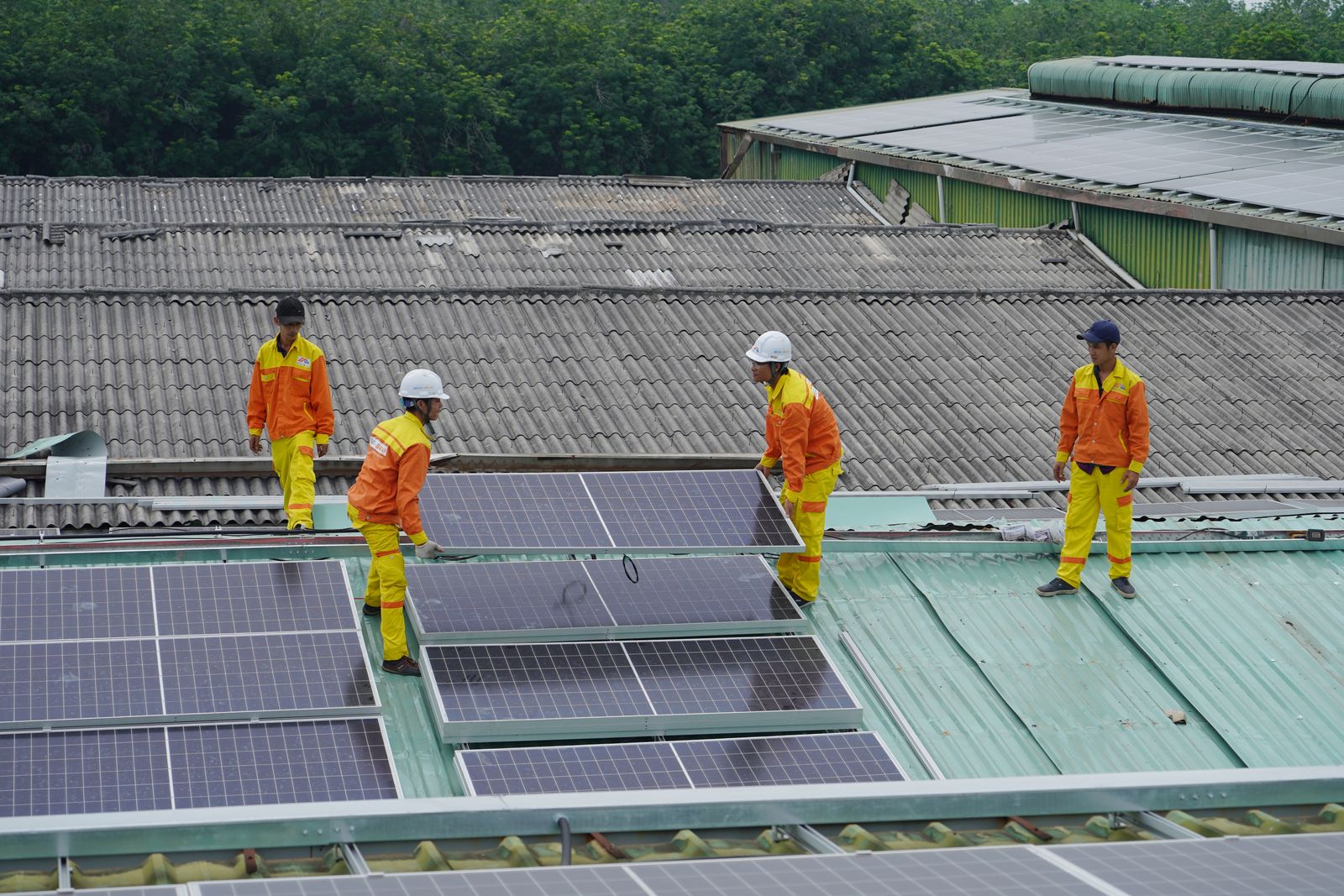
Modified bitumen and some detail work involve open flame. Every hot work operation runs under a written permit with extinguishers staged, combustibles cleared and a fire watch that stays an hour past the last flame.
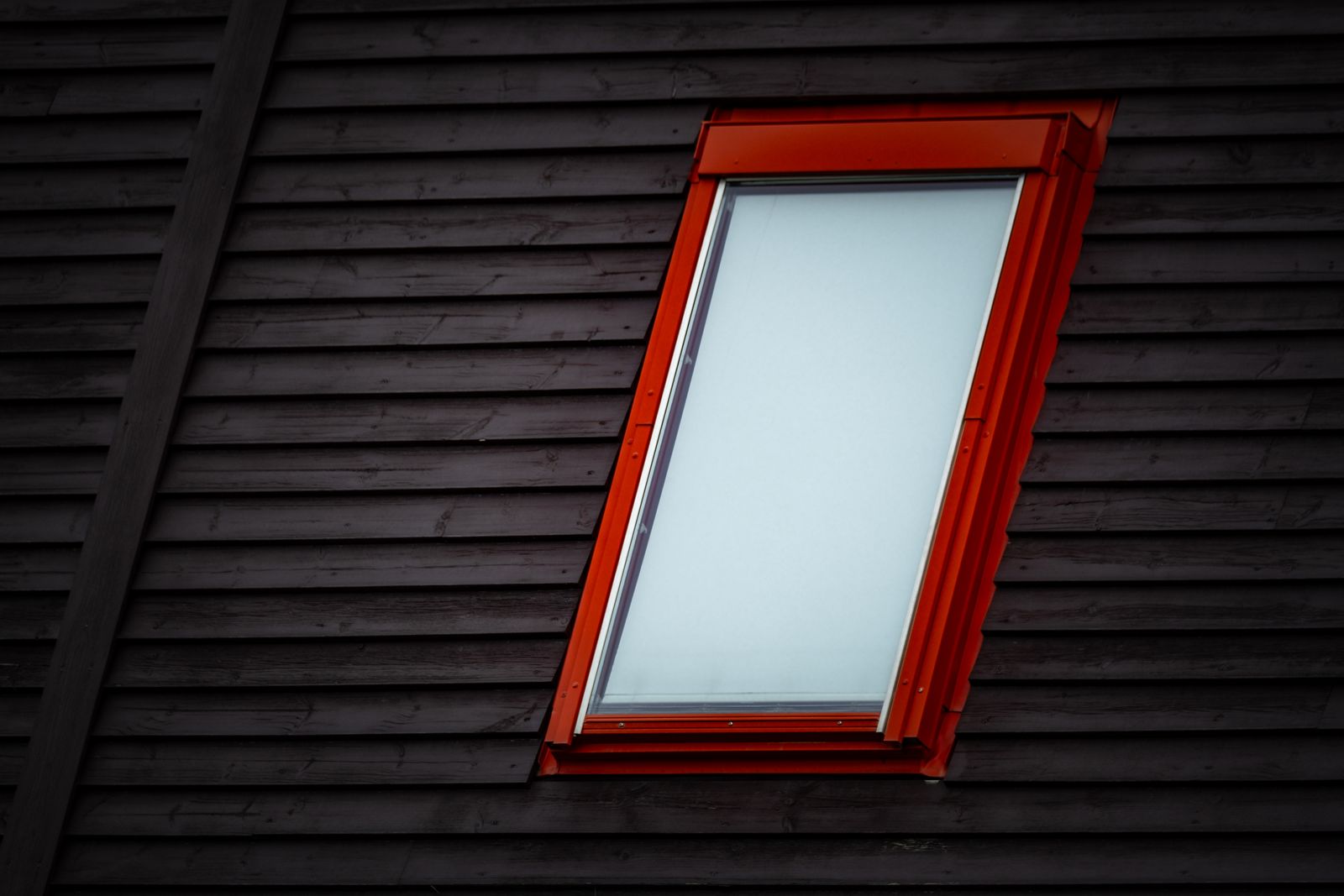
Unscreened skylights look like walkable panels and are the single most common fall hazard on older commercial roofs. We screen or rail every one in our work area, and we will quote the rest of the building while we are up there.
EMR letter, certificates of insurance, written program and our last four site audit reports, sample documents for this demo.
Free roof survey · Written proposal in 5 to 7 business days (sample)
We value your privacy
We use cookies to run this site, remember your preferences and understand how it is used.Cookie policy