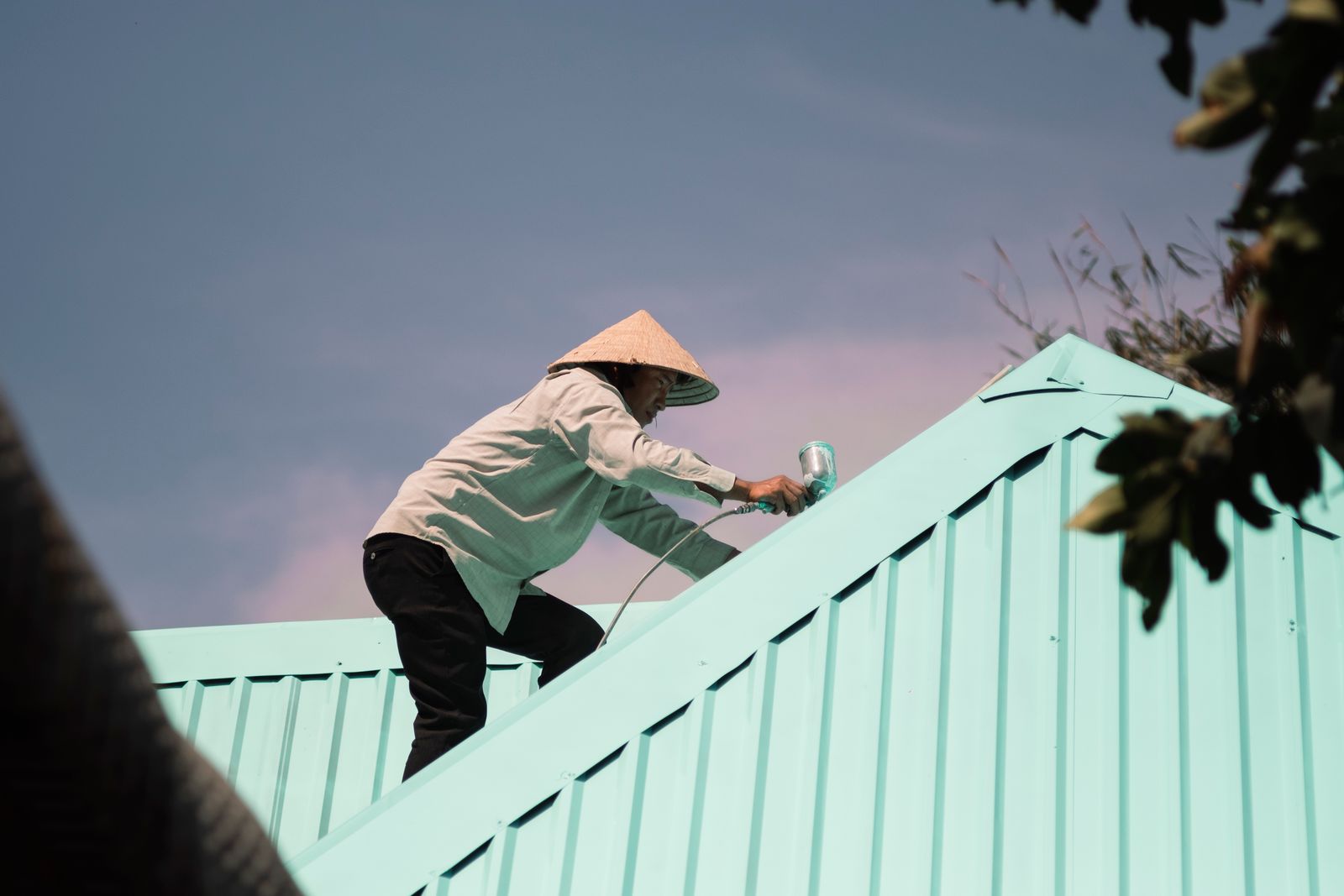
Restoration coatings have become one of the most requested scopes we price, and one of the most misunderstood. Sold correctly, a silicone or acrylic restoration can add 10 to 20 years to a sound roof at roughly half the cost of replacement (sample range). Sold incorrectly, it traps water inside a failing roof and fails within a few summers. The difference comes down to data you can collect before you sign anything.
Step one: find out how wet the roof is
Water inside insulation is invisible from the surface. An infrared scan performed after sunset shows it, because wet insulation holds heat longer than dry insulation. We mark suspect areas on a roof plan and verify them with core cuts. As a rule of thumb, if more than about 20 to 25 percent of the roof area is wet, replacement usually becomes more economical than removing and patching that much insulation before coating.
Step two: check attachment and substrate
A coating adds a new waterproofing surface but it does not glue a loose roof back down. Membranes that are billowing, detached at seams or delaminating from the deck need to be corrected or replaced. Metal roofs need rust assessment and fastener replacement where screws have backed out.
- Single-ply membranes still attached and mostly dry: often good candidates
- Granulated mod bit with sound seams: good candidate after cleaning and primer
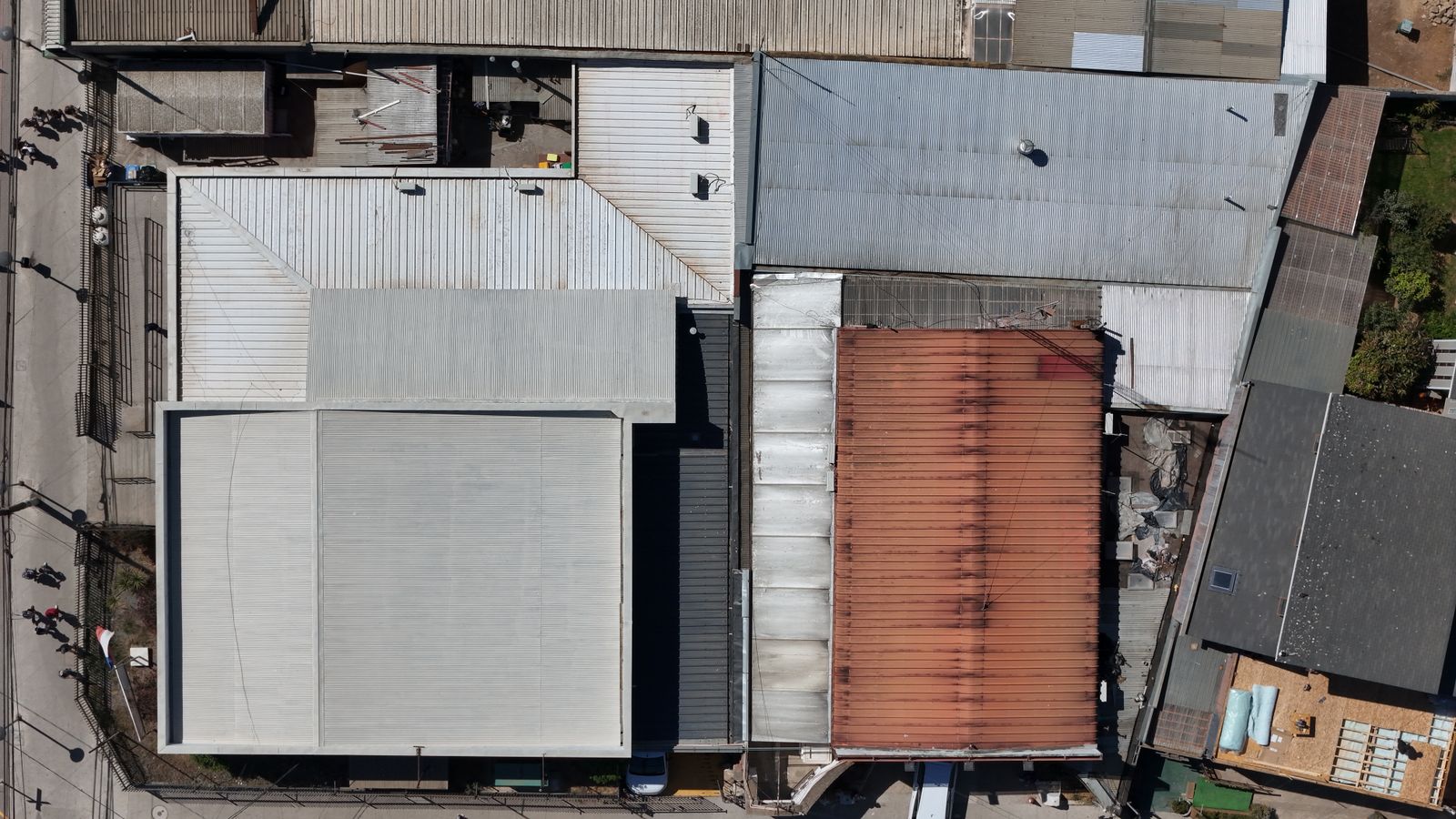
- Through-fastened metal with surface rust: good candidate with fastener work
- Roofs with chronic ponding: silicone only, and fix drainage where possible
Step three: ask the budget questions
Restoration often changes how a project is funded. Many owners treat it as maintenance rather than a capital replacement, which can affect budgets and tax treatment. Talk to your accountant about how your organization classifies the work. We simply provide both options priced side by side so the decision can be made with real numbers.
Step four: understand the warranty
Coating warranties are usually tied to the dry film thickness applied. A 10-year warranty might require 20 dry mils of silicone; a 15 or 20-year term requires more. Ask your contractor to log wet mil gauge readings by section. We upload those readings to the client portal so the warranty is backed by measurements, not promises.
Where coatings shine in Houston
Our climate rewards reflective roofs. White silicone on a dark mod bit or EPDM roof can lower roof surface temperatures dramatically and reduce the load on rooftop units during long cooling seasons. Retail centers and flex warehouses with 15 to 20-year-old roofs are the most common restoration projects we complete.
When replacement is the right call
Heavy moisture, failing decks, multiple existing roof layers, planned changes to rooftop equipment, or a goal of adding insulation to meet energy code all point toward replacement. So does an owner who plans to hold the building for 30 years and wants a long manufacturer NDL warranty. The data will usually make the answer obvious, which is exactly the point.
This article is general information for commercial property owners and is not legal, insurance or tax advice. Ironclad Commercial Roofing is a demo company and every figure above is sample content.