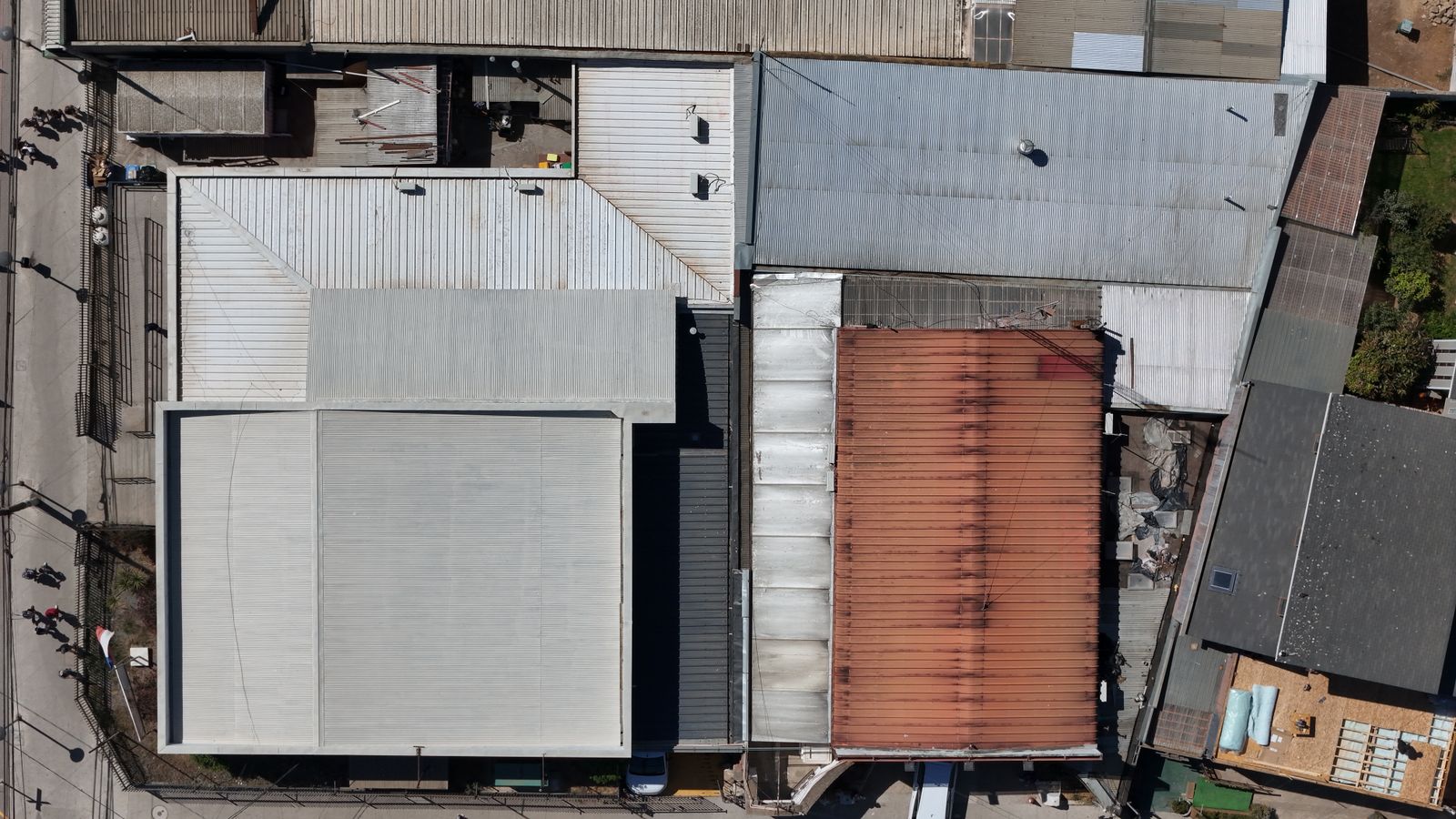
Nine out of ten low-slope reroof proposals we write in Greater Houston land on one of three single-ply membranes: TPO, PVC or EPDM. All three can deliver a 20 to 30-year roof when they are specified and installed correctly. The difference is where each one earns its keep, and where each one quietly fails early. This guide is the conversation our estimators have with facility managers on the roof, written down.
Start with the building, not the membrane
Before comparing materials, we look at four things: what happens inside the building, what vents onto the roof, how much foot traffic the roof sees and how long the owner plans to hold the asset. A cross-dock distribution center with no rooftop exhaust has very different needs from a medical office building with forty air intakes or a strip center with three restaurants.
Houston adds its own conditions. Summer roof surface temperatures on dark membranes regularly pass 160°F. Spring hail cells cross the west side most years. And hurricane season pushes wind uplift requirements at perimeters and corners higher than many inland markets.
TPO: the default for big, clean roofs
Thermoplastic polyolefin is white, heat-welded and cost effective. On large warehouse decks it reflects most of the solar load, which lowers roof surface temperatures and reduces cooling demand in conditioned spaces. Welded seams are stronger than the sheet itself when the welder is set correctly, and we probe every seam at the end of each day.
- Best for: distribution centers, tilt-wall warehouses, retail anchors
- Typical sample budget: $7.50 to $11.50 per sq ft installed
- Weak spots: kitchen grease, cold welds, heavy unprotected foot traffic
PVC: pay more where chemistry demands it
PVC welds like TPO but resists animal fats, oils and many process chemicals. That makes it the right answer around restaurant exhaust fans, food processing plants and hospital sterilizer vents. The premium is real, often 15 to 25 percent over TPO, so on mixed roofs we frequently install PVC only in contamination zones and transition to TPO elsewhere using a warrantable detail.
- Best for: restaurants, food plants, chemical exhaust zones
- Typical sample budget: $9.00 to $13.50 per sq ft installed
- Weak spots: direct contact with old asphalt without a separation layer
EPDM: the veteran that is easy to live with
Synthetic rubber has the longest track record of the three. It stays flexible in heat, handles hail better than many owners expect and is straightforward to repair decades later with primer and seam tape. The drawback in Texas is color: standard black EPDM absorbs heat. On unconditioned warehouses that may not matter; on offices it shows up in the utility bill.
- Best for: older roofs with many penetrations, owners who value simple repairs
- Typical sample budget: $7.00 to $10.50 per sq ft installed
- Weak spots: solar gain when black, petroleum contamination
What about hail?
Membrane chemistry matters less than what is underneath it. A high-density cover board over polyiso insulation dramatically improves hail resistance for any single-ply membrane, because the board spreads the impact instead of letting the insulation crush. If your property is on the west side of the metro or your insurer is tightening hail terms, ask for cover board and a thicker membrane before switching chemistry.
Life-cycle cost beats first cost
The cheapest roof on bid day is rarely the cheapest roof over twenty years. Factor in energy savings from reflectivity, the cost of repairs you can predict, whether the roof can be restored with a coating at year 18 instead of torn off, and warranty terms. We model these for owners with a simple spreadsheet during the proposal review.
The short version
Clean, big and hot: TPO. Grease or chemicals: PVC in the affected zones. Lots of penetrations and a maintenance team that likes simple repairs: EPDM. Whatever you choose, the installer, the insulation package and the maintenance plan will decide more about the roof's life than the membrane name on the proposal.
This article is general information for commercial property owners and is not legal, insurance or tax advice. Ironclad Commercial Roofing is a demo company and every figure above is sample content.